Senior debt finance explained: structuring the right facility for your development
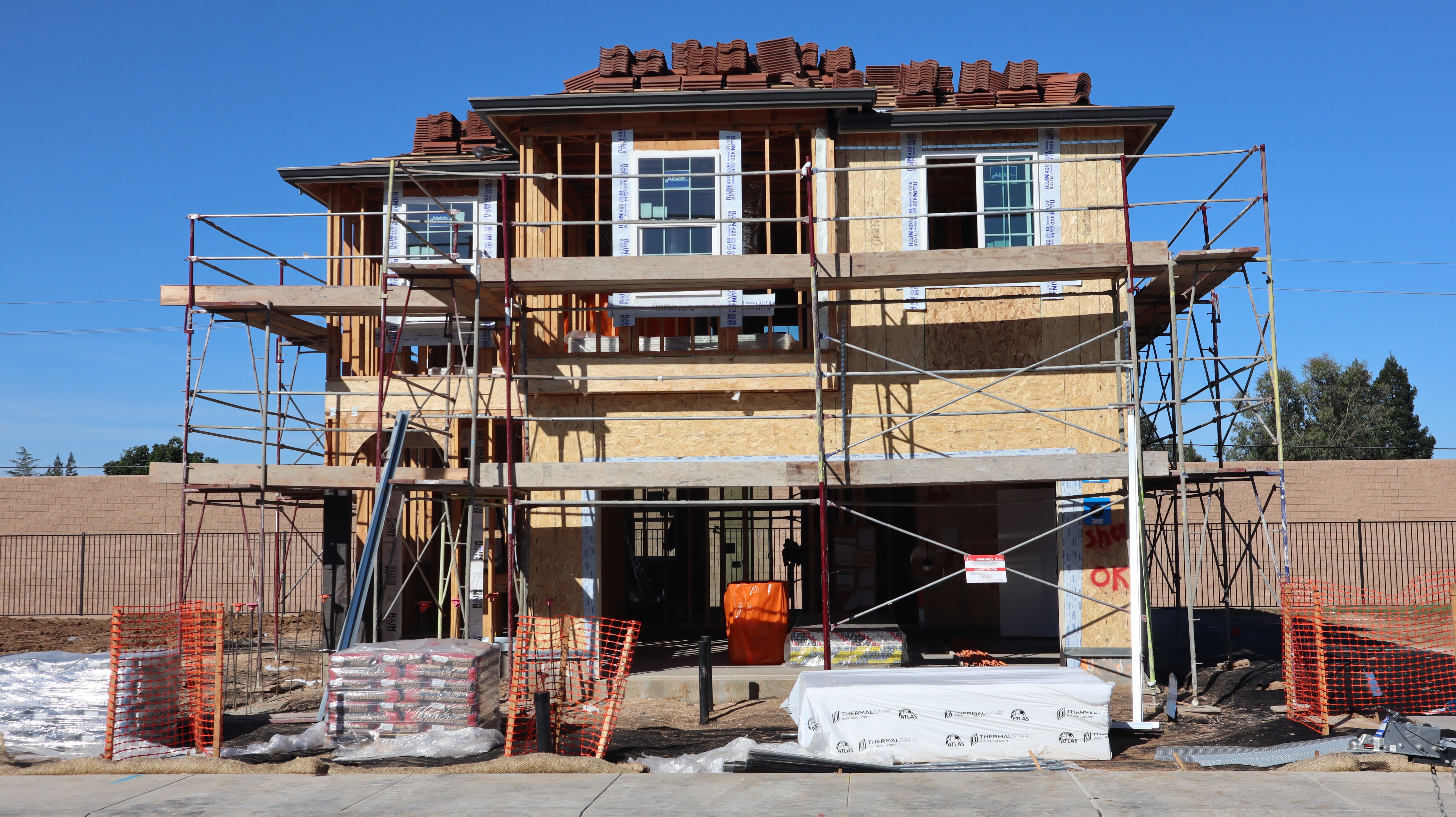
Senior debt finance is the first-mortgage loan that funds the largest share of a development, ranking first for repayment and so carrying the lowest cost of any layer in the capital stack. Structuring the right facility means sizing it to what the project can genuinely support, setting interest treatment and drawdowns to fit the program, and choosing a lender that can fund with certainty — not simply the one with the lowest headline rate.
For a developer, the facility shapes everything that follows: your cost of capital, your equity requirement and, often, whether the project stacks up at all.
What is senior debt finance?
Senior debt is financing secured by a first mortgage over the property, usually supported by guarantees and security over the borrowing entity. It ranks first for repayment, which makes it the lowest-risk — and therefore most cost-effective — layer of the capital stack. In development, it typically takes the form of a construction facility that funds land, construction and associated costs, drawn progressively as the build proceeds. How much of a project it will fund depends on the asset, the feasibility and the lender.
Developers rely on it for three reasons:
- First-ranking security — the lender's priority position keeps pricing keen.
- Cost-effective — cheaper than mezzanine or equity for the bulk of your funding.
- Certainty — clear terms and a defined facility to build your project around.
Senior lenders range from the major banks to non-bank lenders and private credit funds. Banks generally offer the lowest pricing but the tightest policy on presales, leverage and borrower experience; non-bank lenders generally cost more but can be more flexible on those settings and quicker to decide.
How is a senior development facility sized?
By applying several tests and lending the lowest amount that passes all of them. The common ones are:
- Loan to value — the facility as a share of the valuer's as-if-complete value, usually measured net of GST.
- Loan to cost — the facility as a share of total development cost, which determines how much equity the developer must contribute. See LVR versus loan-to-cost on a construction facility.
- Presale cover — some lenders require qualifying presales to cover a set share of the debt before first drawdown.
- Equity first — the developer's equity is usually required to be contributed before the lender's funds are drawn.
An illustrative example
Illustrative figures only — not lender terms, a quote or a past transaction. A project has a total development cost of $10.0 million, including interest and fees, and an as-if-complete value of $13.0 million net of GST. A lender applies a maximum of 60 per cent of value and 75 per cent of cost.
- 60 per cent of $13.0 million is $7.8 million.
- 75 per cent of $10.0 million is $7.5 million.
The facility is sized at the lower figure, $7.5 million, so the developer needs $2.5 million of equity. And because the facility also funds capitalised interest and fees — say $0.7 million on this program — only $6.8 million of the limit is available for land and construction. Developers who size their equity on the headline limit, rather than the amount available for costs, often find the gap late. If the valuation comes in lower, the value test may become the binding one and the facility shrinks.
Two details often move the number. The first is GST: lenders generally assess value net of GST, so a feasibility that shows gross realisations including GST will overstate what the facility can support, and the margin scheme position needs to be clear. The second is presales. Where a lender requires presale cover, it will usually count only qualifying contracts — unconditional, at arm's length, with a deposit paid — so a list of expressions of interest does not help size the loan. Both are worth resolving before the first lender sees the file.
How is interest treated on a construction facility?
Usually capitalised. A development produces no income until it sells, so most construction facilities add interest to the loan balance rather than requiring monthly payments, with an allowance for that interest built into the facility limit. Some lenders also charge a line fee on the undrawn limit. The program matters here: a longer build or slower sell-down consumes more of the interest allowance, and if it runs out, the developer may need to fund the shortfall. Our note on facility limit versus drawn balance interest explains how the charges are calculated.
How are drawdowns controlled?
Through the lender's quantity surveyor and a progress-claim process. The builder submits a claim, the QS inspects and certifies the work and the cost to complete, and the lender releases funds against that certificate — usually paid directly to the builder. The lender will also check that the remaining facility is enough to finish the project before each draw. A developer who understands how a construction facility is controlled, and what the QS report tells the lender, can plan the program and cash flow around it rather than being surprised by a held-up claim.
How do you choose the right senior lender?
A good structure starts with your project's numbers. Align the facility with your total development cost, presales or lease-up profile and program, then weigh:
- Sizing — match the facility to your funding gap and the leverage the project can genuinely support.
- Interest treatment — choose between interest-only and capitalised interest to manage cash flow during construction, and check the interest allowance against a realistic program.
- Conditions — presale thresholds, equity timing, builder requirements and conditions precedent to first draw.
- Term and extensions — whether the term allows for delays and a sell-down, and what an extension would cost.
- The right lender — look for a track record, speed of decision and certainty of funding, not just the headline rate.
A cheaper facility that cannot fund on time, or that requires presales you will not reach, can cost more than a dearer one that settles when you need it.
How does senior debt work with mezzanine and preferred equity?
Senior debt rarely works alone. Layering mezzanine finance behind it can reduce the equity you contribute — useful when you want to preserve capital for the next project — and preferred equity can fill any remaining gap. Each additional layer needs the senior lender's consent, and a second mortgage needs a deed of priority, so the full stack should be planned before the senior facility is documented. Our development funding stack tool helps map the layers.
What makes the difference between an average facility and a great one?
Usually the preparation and the partner behind it. Senior debt is the cornerstone of development finance — cost-effective and flexible when structured well — but the structure only works if it is sized on realistic numbers and matched to a lender whose appetite fits the project. Running the feasibility first through the development feasibility calculator is a good start.
Siare arranges senior debt, mezzanine and preferred equity for commercial and residential development through our development finance advisory work — talk to us about the right facility for your next project.
This is general information about business and investment-purpose finance only. It is not financial, legal or tax advice and does not take account of your objectives or circumstances. All finance is subject to lender assessment, valuation and approval.