Partial discharge after subdivision: selling one lot and keeping the facility
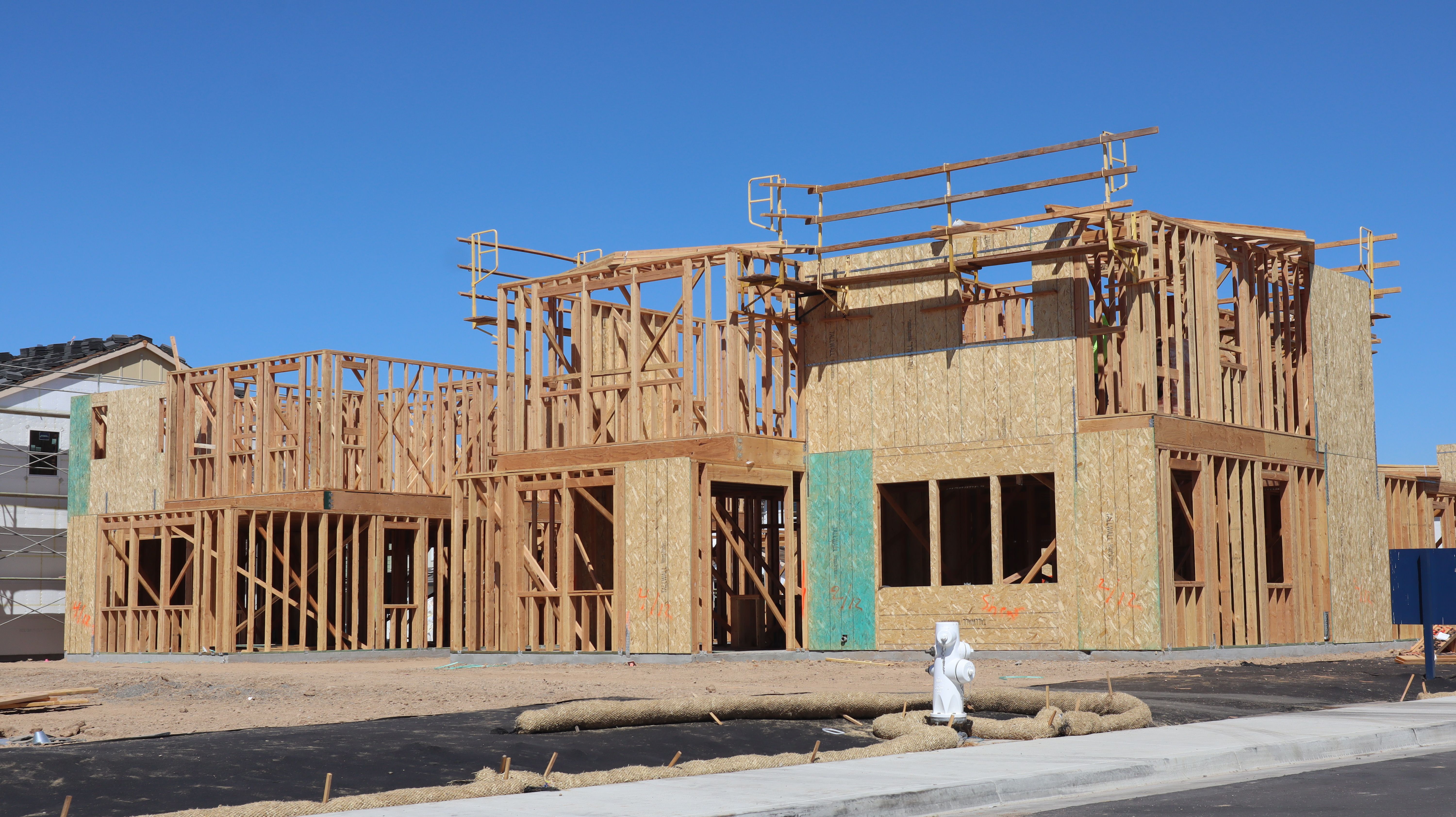
Your plan of subdivision has registered, separate titles have issued, and one lot is under contract with a settlement date. The facility, however, was written over the parent title and secured against the whole of it. Before that one lot can settle, the lender has to release its mortgage over that title alone and keep its security over everything else. That release is a partial discharge, and it is a credit and legal process, not an administrative one.
Developers routinely discover this three weeks before settlement. By then the negotiating position is gone: the buyer has a date, the deposit is held, and the only variable left is how fast the lender is willing to move.
What a partial discharge is, and when it becomes possible
A partial discharge releases the lender's registered mortgage over one or more titles while leaving the mortgage on the balance of the security intact. Two things generally have to be true before it can happen.
First, the titles must exist. Until the plan of subdivision is registered and separate folios have issued, there is nothing individual to discharge — the lender's security is over a single parcel. Contracts sold off the plan settle only after registration, which is why the registration date, not the sale date, is the one that governs your cash flow.
Second, the lender has to be satisfied with what it is left holding. That is the part borrowers underestimate. Releasing a lot reduces the security pool, and the lender's question is whether the remaining lots still support the remaining debt on its own criteria. A release that leaves the least saleable lots securing most of the balance is not a neutral transaction from the lender's side.
How the release amount is calculated
The release amount is the sum applied to the facility in exchange for discharging that title. It is rarely the sale price, and it is rarely a simple proportion.
- A pre-agreed release schedule. The better facilities set a release amount per lot at documentation, either as a dollar figure or a stated percentage of net sale proceeds. If you have one, read it before you price the lot — a minimum release price can make a discounted sale impossible to settle.
- A percentage of gross or net proceeds. Commonly applied where lots are broadly similar. Whether it is gross or net of agent commission, GST and legals makes a material difference, and that should be settled in writing.
- A loan-to-value test on the remainder. Some lenders work backwards: release whatever leaves the retained security within an agreed gearing position. This tends to front-load the repayments, so the earliest sales contribute most.
- Cumulative release thresholds. Facilities sometimes require a set proportion of the debt retired within the first several settlements. Model this before you decide the release order.
Where no schedule was agreed at the outset, the release amount is negotiated at the time — which means it is negotiated when you have the least leverage. Agreeing it at documentation stage is one of the highest-value things a borrower can do, and it costs nothing at that point.
What the lender, the lawyer and the valuer each need
Requirements vary by lender, facility and state, but the shape is consistent. The lender will generally want the executed contract of sale, the settlement statement or draft adjustments, confirmation of the release amount, a signed discharge authority from every registered proprietor, and evidence of registration of the plan. Depending on the file, it may also want current valuations on the retained lots, an updated feasibility or sell-down model, and confirmation that the remaining facility is still in balance.
Your lawyer or conveyancer coordinates the mechanics: lodging the discharge authority, booking settlement, and making sure the discharge and the transfer settle simultaneously. Where the incoming buyer has their own lender, three parties have to align on one date.
A valuer may or may not be involved. Where the release schedule was pre-agreed and the retained position is comfortable, a fresh valuation is often unnecessary. Where the release is being negotiated, or the retained lots are the weaker stock, expect the lender to want current evidence of what it is keeping.
Sequencing against the settlement date
Discharge processing inside a bank is a queue, and it is not your queue. Requests are commonly handled by a centralised securities or discharges team rather than by the relationship manager, and the published turnaround is measured in weeks rather than days. Nothing about your settlement date changes that team's workload.
What shortens the elapsed time is preparation rather than pressure:
- Lodge the discharge authority as soon as the contract goes unconditional, not when settlement is booked.
- Confirm the release amount in writing before you accept the offer, so there is no argument about the figure while the clock runs.
- Check who has to sign. Trustee companies, multiple registered proprietors and interstate directors all add days, and execution requirements differ by state.
- Identify every other interest on title. Caveats, second mortgages and statutory charges each need their own release, and a second mortgagee's consent is a separate negotiation — the priority position is worth understanding before you get there.
- Give the lender the retained-position model unprompted. A lender that can see the remaining lots still support the remaining debt is answering a narrower question.
Why the order of sales matters
The instinct is to sell the best lots first, because they sell fastest. Applied without a release schedule in front of you, that leaves the facility secured against whatever nobody wanted, at exactly the point the lender's tolerance is thinnest. Modelling the release amounts against the expected order of settlements — and against a slower sale on the weaker lots — tells you whether the plan survives contact with a soft month.
The same discipline that applies to a construction drawdown applies here. In our Altona North duplex, the two dwellings took deliberately different paths at completion: one sold at auction, the other refinanced onto a residual stock facility. That split was planned before practical completion rather than improvised after it. Where the decision is whether to keep holding at all, our residual stock decision tool and the sell, hold or refinance framework work through the arithmetic.
If you have titles about to issue and a facility written over the parent land, talk to us before the first contract is signed — or read how we structure the exit alongside the build in development finance advisory.
This article is general information about business and investment-purpose property finance only. It is not financial, legal, conveyancing, tax or credit advice. Discharge requirements, execution formalities and duty consequences differ by lender, transaction and state, and they change. Obtain your own legal and professional advice before acting.