Regional development valuation: why comparable evidence needs more work
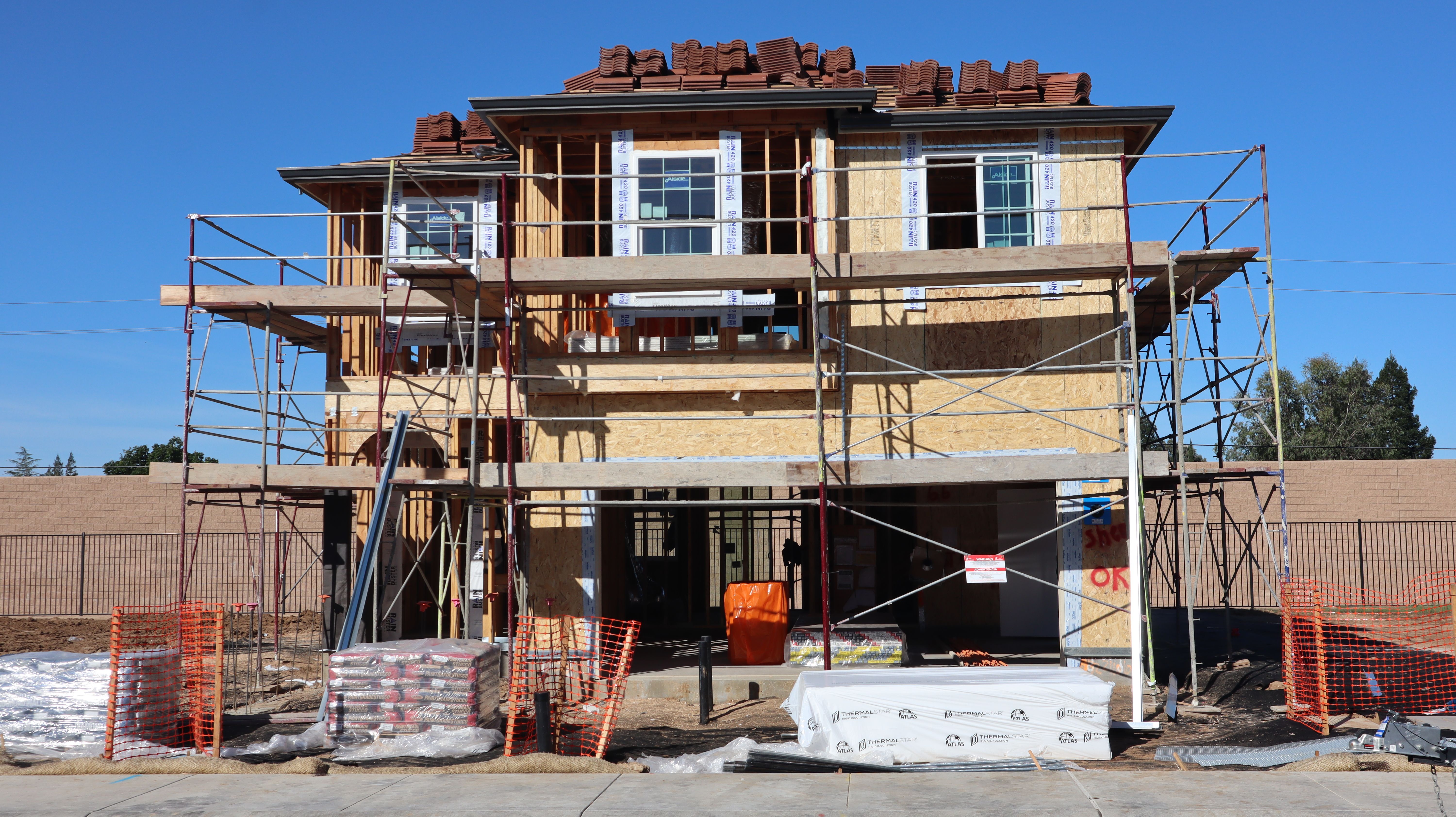
Regional development sites are not valued to a different standard than metropolitan ones. They are valued with less evidence. That single difference explains most of the friction developers meet when a regional feasibility reaches a lender's valuation panel: the method is identical, the inputs are thinner, and the valuer manages that with caveats, wider allowances and qualified language. Credit teams read those caveats closely. Understanding what the valuer is short of, and what you can supply, often separates a report that supports a transaction from one that quietly undermines it.
What a hypothetical development assessment is actually doing
When a valuer assesses a development site on a hypothetical development basis, they are working backwards. They estimate the gross realisation of the completed product, deduct construction costs, professional fees, holding costs, selling costs and a profit and risk allowance, then discount the residual back to a land value today. Every input needs evidence, and gross realisation carries the most weight, because an error there flows through the whole calculation.
In a deep metropolitan sub-market, the valuer can often find recent settled sales of comparable completed product within a short radius and a short time window. In a regional centre or a smaller town, the same search may return a handful of sales, some old, some of a materially different product, and some unrepresentative for reasons the valuer has to explain rather than adjust away.
What “thin evidence” looks like in practice
- Few or no settled sales of the proposed product type, particularly townhouses, duplexes or smaller-lot subdivisions in towns where detached housing on larger lots is the historic norm.
- Sales old enough to require a time adjustment, which is professional judgement rather than observed evidence.
- Sales comparable in type but not in location, requiring adjustment across towns with genuinely different buyer depth.
- A small number of transactions in total, so one atypical sale carries disproportionate weight.
- Limited competing-supply data, making absorption and sell-down assumptions harder to support.
None of this makes a regional valuation unreliable. It means the valuer does more work to reach a defensible number and is more explicit about the uncertainty. Where a metropolitan report might state a firm view, a regional report may carry a market-conditions qualification or note limited evidence. That is honest valuation practice. It is also something a credit assessor will price into their view of the deal.
Local agent evidence and why rental evidence earns its place
Where settled sales are thin, the valuer looks for other evidence of market depth. Local selling agent evidence is one of the most useful things a developer can contribute, provided it is specific rather than promotional. A written appraisal from an agent who actually transacts that product in that town, setting out recent listings, current stock on market, enquiry levels, days on market and any comparable sales exchanged but not yet settled, gives the valuer a contemporaneous read the settled-sales record cannot yet show.
Rental evidence matters for a second reason. In many regional markets a meaningful share of the buyer pool is investors, and rental evidence supports a yield-based cross-check on end values. It also matters where the exit contemplates holding some stock rather than selling all of it: if a residual stock position or a lease-up period is part of the plan, rental evidence is central to the case rather than a secondary input.
Referral authorities, lead times and valuation currency
Regional approvals often route through referral authorities that metropolitan applications meet less often, or meet differently. Rural water corporations, catchment authorities, road authorities, fire authorities and network utilities can all be referral parties. Each has its own queue and information requirements, and requests for further information can arrive sequentially rather than all at once.
Two published Siare case studies show how this plays out. In a Baw Baw Shire matter at Yarragon, the RFI covered arborist, gas abolishment and drainage items, and the path from RFI to approval ran eighteen months when managed as a project with a schedule rather than as correspondence. In a Shepparton residential growth zone matter, a Goulburn Valley Water objection was resolved by consolidating the response into a single evidence package rather than answering piecemeal. Both are historical examples of process, not a benchmark for any other application.
The finance consequence is valuation currency. A valuation is a point-in-time opinion, and lenders set their own requirements for how current a report must be at approval, settlement or drawdown. Where an approval pathway extends, a valuation prepared early may need updating, re-addressing to a different lender, or reinstruction. That cost and timing risk belongs in the feasibility from the outset. Sequencing matters too: in the Moama bridging matter, an $800,000 six-month facility on an approved NSW development site was secured on an evidenced package before the gross realisation valuation was instructed, because the order of operations was planned rather than assumed.
What a developer can assemble to support a regional valuation
- A current title search, the plan of subdivision or proposed plan, and every easement, covenant and restriction affecting the land.
- The planning permit with all conditions, plus referral-authority correspondence and the conditions those authorities imposed.
- Working drawings, a schedule of areas by dwelling or lot, and a specification honest about finish quality.
- A costed build: a signed contract, QS estimate or builder tender reflecting the actual drawings, not a rate per square metre.
- Written appraisals from agents transacting that product locally, with supporting listings, exchanged sales and days-on-market observations.
- Rental appraisals for the completed product, especially if any stock will be held.
- A program covering approval, construction, practical completion and sell-down, with the assumptions behind each stage stated.
- Servicing, utility or infrastructure correspondence resolving questions a valuer would otherwise flag as unknown.
Wider contingency on timing, not a weaker standard of proof
The common mistake is to meet regional uncertainty by softening the evidence: rounder numbers, optimistic absorption, a build cost carried at an allowance rather than a quote. That is backwards. Thin comparable evidence raises the value of everything you can prove, because each documented input reduces what the valuer must estimate.
Where a regional feasibility genuinely should differ is in the timing contingency. Longer referral-authority lead times, smaller local contractor pools, longer trade mobilisation and slower absorption in a shallower buyer market all argue for more program allowance, and correspondingly more holding cost, interest cover and facility term. A feasibility carrying a realistic timing contingency and a fully evidenced cost and revenue position is far more fundable than one that assumes a metropolitan program and hopes the valuation stretches. Working that through before an application is lodged is the substance of proper development finance advisory.
If you are assessing a regional development site and want the valuation and funding pathway thought through before you commit, start a conversation with Siare.
This article is general information about business and investment-purpose property finance only. It does not take account of your objectives, financial situation or needs, and it is not financial, legal, taxation, valuation or conveyancing advice. Case study details describe past transactions and are not an indication of terms, outcomes or timeframes available to any other borrower. You should obtain your own independent professional advice before acting.