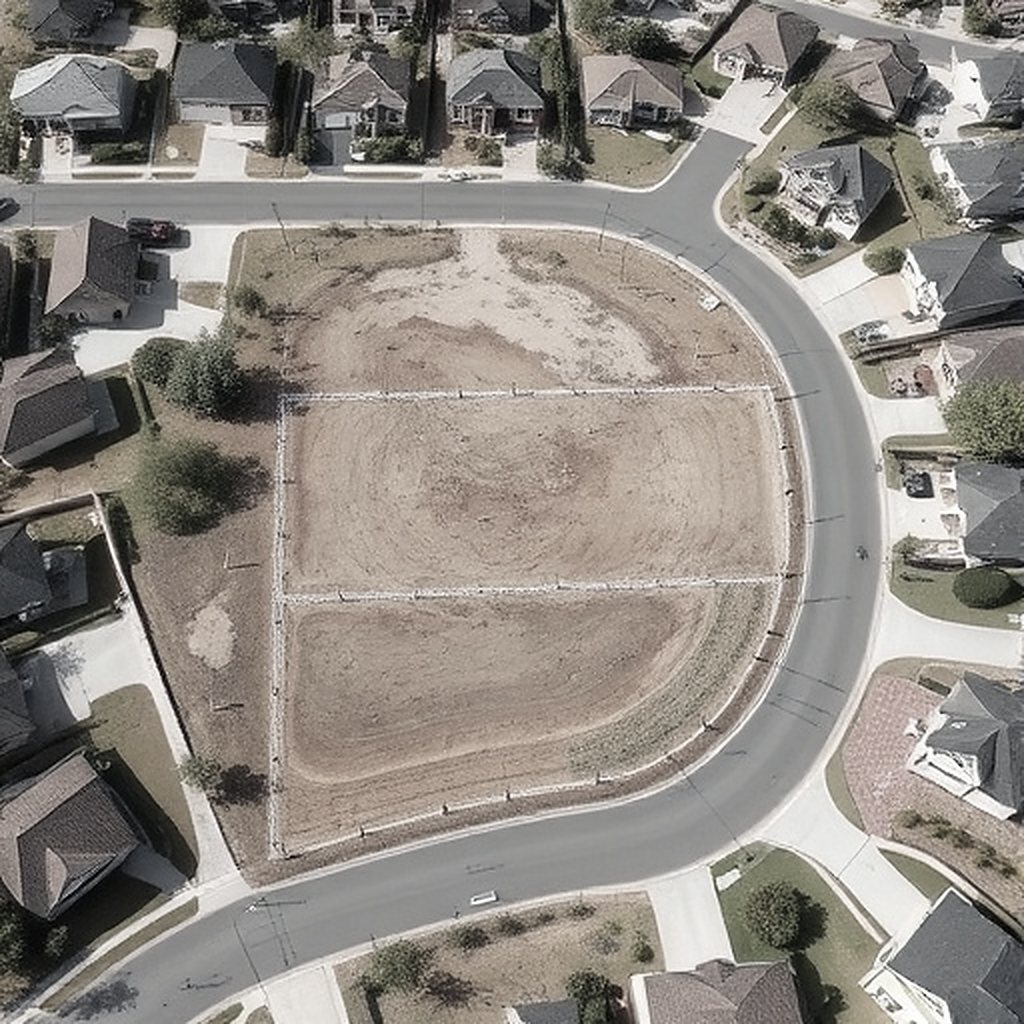
Development margin explained: profit on cost vs margin on revenue
Profit on cost and margin on revenue express the same profit two ways, and the gap between them matters. How to convert between them, what a good margin looks like in Australia, and margin versus IRR.
Insight
Borrower
development-margin-profit-on-cost
September 25, 2026
Residual land value: how to work out what a site is worth to a developer
Residual land value is the most you can pay for a site and still make the profit you need. How to calculate it, a worked example under full GST and the margin scheme, and why it moves so sharply.
Insight
Borrower
residual-land-value-explained
September 25, 2026
How to do a development feasibility in Australia, step by step
A development feasibility answers three questions: does the project make money, what can you pay for the land, and will a lender fund it. The eight steps, in the order the numbers depend on each other.
Insight
Borrower
how-to-do-a-development-feasibility
September 25, 2026

The subdivision workstreams that actually gate titles
A planning permit is the start of a further work stream, not the end. The five clusters a council request for information falls into, what clearing one costs, and the three separate approvals that can each independently hold up title.
Insight
Borrower
subdivision-workstreams-that-gate-titles
August 30, 2026

Reading non-bank sector risk from the borrower's side
Aggressive non-bank leverage plus a pattern of continually refinancing short-term debt is a recognisable pre-failure signature. What it looks like from outside, and what happens to your own facility when a group-level lender stops renewing.
Market Update
market-update-non-bank-sector-risk-borrower-side
August 30, 2026

What lenders do when valuations soften: shading and adopted value
In a softening market fresh valuations have come back $100,000 to $150,000 below the figures they replaced. How lenders adjust before that shows up in policy — shading, adopted value and the haircut you should apply yourself.
Market Update
market-update-shading-and-adopted-value
August 30, 2026

Early distress signals in a construction facility
Drawdown requests that shrink instead of growing late in a build, an equity injection that cannot be traced to cost variations, and a cross-default clause nobody read. The signals that appear before arrears do.
Insight
Investor
early-distress-signals-construction-facility
August 30, 2026

The terms a solicitor expects in a private lending term sheet
A baseline set of provisions that keeps a term sheet from being sent back for a full rewrite — LVR basis, default margin, facility limit definition, minimum earn, cost recovery, and the wording precision that prevents disputes at execution.
Insight
Investor
terms-solicitor-expects-private-lending-term-sheet
August 30, 2026

How a construction facility is controlled: QS, reserves and ratchets
Between drawdown and completion, three mechanisms do the work: certification against physical progress, a reserve that is usually a fixed dollar amount, and presale conditions that price risk rather than mandate sales. What each actually controls.
Insight
Investor
how-a-construction-facility-is-controlled
August 30, 2026

Deed of priority from the mezzanine lender's seat
A senior lender's first draft typically blocks the junior from receiving any payment, enforcing, or even treating its debt as due. What to push back on, where the standstill usually lands, and the definition that quietly expands senior priority.
Insight
Investor
deed-of-priority-mezzanine-lenders-seat
August 30, 2026

What lenders will ask your client's accountant
Verification calls are standard, not a red flag — but an unexpected one stalls files. The three questions asked, what the letter must contain, and the entity and financial-year checks to settle before anything is drafted.
Insight
Partner
what-lenders-ask-your-clients-accountant
August 30, 2026

Broker accreditation requirements by lender: the patterns that matter
Six accreditation patterns, the qualification bars that gate a major-bank request, and how to fast-track when there is a live deal. Written as a framework because the specifics change — confirm current requirements before relying on any of it.
Insight
Partner
broker-accreditation-requirements-patterns
August 30, 2026

Switching aggregators: what happens to your lender accreditations
Accreditation does not follow a broker between aggregators. Some lenders offer no direct fallback at all, and one relationship can be suspended outright. What to check before you move, and the off-panel letter that unlocks the rest.
Insight
Partner
switching-aggregators-lender-accreditations
August 30, 2026

Red flags on private deals: the ones that cost brokers the file
Three failure modes that cost more than a declined deal: verbal advice on consent that turns out wrong, a round-number exit estimate that is a third of the real cost, and title that does not match who controls the project.
Insight
Partner
red-flags-private-deals-brokers
August 30, 2026

Five questions to ask before referring a deal to a private lender
A short triage set gets a real answer in hours; a full data room cold gets silence. The five questions that qualify a private deal, plus the effective-cost comparison that decides whether private is even the right answer.
Insight
Partner
five-questions-before-referring-private-lender
August 30, 2026

How brokers actually negotiate non-bank pricing
The reliable lever is a specific, written competitor number handed to the relationship team alongside a live settlement deadline. What moves pricing, what does not, and the two asks that work without a competing quote at all.
Insight
Partner
how-brokers-negotiate-non-bank-pricing
August 30, 2026

Settlement-day shortfalls and delays: what actually happens, and your options
Most settlement-day crises are arithmetic problems that became timing problems. The checks that prevent them, the options in order of preference when funds are short, and how to move a date without losing the deal.
Insight
Borrower
settlement-day-shortfalls-and-delays
August 30, 2026

Borrowing through a trust or company: what lenders require
Structure declines are not merit declines, and they are cheap to avoid. The ownership rules that cause outright rejections, the borrower-guarantor nexus test, and the documents that have to be certified and stamped.
Insight
Borrower
borrowing-through-trust-or-company
August 30, 2026

Cash-out and equity release: purposes lenders accept and refuse
"Reimbursement" is not a purpose. Neither is an open-ended release to a developer. What a lender needs to see instead, the evidence that supports it, and the structures that release equity without borrowing personally.
Insight
Borrower
cash-out-equity-release-purposes
August 30, 2026

Why your refinance failed serviceability: the calculator errors we see most
A straightforward refinance that fails serviceability is usually a data problem, not an affordability problem. The double-count to check first, the unused credit limits costing thousands a month, and eight other recurring errors.
Insight
Borrower
refinance-failed-serviceability-calculator-errors
August 30, 2026

Director but not shareholder: the self-employed income rule nobody warns you about
Several lenders will only rely on company income where the applicant is both a director and a registered shareholder. Directorship alone is not enough — and it is the most common trigger for a self-employed income rejection.
Insight
Borrower
director-but-not-shareholder-income-rule
August 30, 2026

What an accountant's letter for a low-doc loan actually needs to say
On a low-doc application the accountant's letter is the income evidence, and it gets bounced for reasons that have nothing to do with income — wrong year, wrong entity, no letterhead, no professional body. What it must contain, and the verification call that follows.
Insight
Borrower
accountants-letter-low-doc-loan
August 30, 2026

How to check your payout figure before settlement
A payout figure is built, not quoted: full-term interest, less interest already paid in advance, plus itemised legals and disbursements. How to rebuild it, and the five things that make it wrong.
Insight
Borrower
check-payout-figure-before-settlement
August 30, 2026

Vetting, insuring and replacing a builder mid-project
Lenders underwrite the builder as hard as the borrower. What a new builder has to evidence, why ATO compliance is a live credit risk, and the pack that keeps a construction facility alive after a termination.
Insight
Borrower
vetting-insuring-replacing-a-builder
August 30, 2026

Land bank to construction: two-tranche structures and when to bridge
Pricing the land phase and the construction phase as one blended facility overprices the land and underprices the build. How the two-tranche structure works, and the staging options while a permit is pending.
Insight
Borrower
land-bank-to-construction-two-tranche
August 30, 2026

Residual Stock Finance in Australia: How Developers Refinance Unsold Dwellings After Practical Completion
Residual stock finance refinances unsold dwellings after practical completion so the construction loan can be repaid without discounting. How lenders size it, how discharges work, and how Siare places it.
Insight
Borrower
residual-stock-loans-explained
August 30, 2026

Development-site LVR: how a highest-and-best-use finding changes what you can borrow
On vacant development-adjacent land the achievable LVR can swing from 50% to 65% on a single line in the valuer's report. Why the valuation instruction basis matters more than the lender's headline policy.
Insight
Borrower
development-site-lvr-highest-and-best-use
August 30, 2026

Senior plus mezzanine on a four-townhouse project: a worked funding stack
The full arithmetic on a small unit development — GRV to margin-scheme NRV, senior sized at the lesser of LVR and loan-to-cost, mezzanine bridging the gap, and what the incremental leverage actually costs.
Insight
Borrower
senior-mezzanine-worked-funding-stack
August 30, 2026

Why your progress claim got held up: QS certification, PPR forms and insurance
Funds usually clear 24 to 48 hours after certification. Everything that goes wrong happens before that. The six things that stall a claim, and why the QS certifies against physical works rather than what you have already paid the builder.
Insight
Borrower
why-progress-claim-held-up
August 30, 2026

Facility limit vs drawn balance: the real cost of private construction finance
Two lenders quote the same rate. One charges interest on the full facility limit from day one, the other on funds actually drawn. On one comparison that was a 60% difference in total interest.
Insight
Borrower
facility-limit-vs-drawn-balance-interest
August 30, 2026

LVR vs loan-to-cost: why your construction loan is smaller than the LVR suggests
A construction facility is sized twice — against end value and against total development cost — and you get the smaller of the two. Plus the profit-margin covenant that can constrain a deal even when both tests pass.
Insight
Borrower
lvr-vs-loan-to-cost-construction-facility
August 30, 2026

What a private lender's due-diligence pack actually contains
A first-look submission needs four things. A family-office style credit process needs twenty. Knowing which one you are in front of determines whether you send a summary or a data room — and getting it wrong costs the deal.
Insight
Borrower
private-lender-due-diligence-pack
August 30, 2026

Buy before you sell: bridging loan vs two-stage structure
Three routes exist, and the right one turns on existing-customer status, how confident you are in the sale timeline, and how servicing gets assessed. Why a low-doc ceiling can be more than double the full-doc figure for the same borrower.
Insight
Borrower
buy-before-you-sell-bridging-vs-two-stage
August 30, 2026

Exit strategies lenders accept on short-term facilities
Every short-term lender asks the same question: how do I get taken out? What a credible exit looks like, why one exit is weaker than three, and the staged-financing framing that gets early-stage development sites funded.
Insight
Borrower
exit-strategies-short-term-facilities
August 30, 2026

Second mortgage vs caveat loan: instruments, consents and sequencing
A registered second mortgage, a contingent mortgage supported by a caveat, and a caveat-only facility are three different instruments with three different consent requirements and timelines. Which one fits, and where the priority deed sits.
Insight
Borrower
second-mortgage-vs-caveat-loan
August 30, 2026

The true cost of bridging finance: effective rate, prepaid interest and disbursements
A 13.95% headline rate with a 2.5% establishment fee costs about 16.45% over twelve months, and more over six. How to convert any short-term quote into an effective annualised cost, and why the cheaper headline rate often loses.
Insight
Borrower
true-cost-of-bridging-finance
August 30, 2026

Why a private-credit manager runs a valuer and QS panel
One preferred valuer looks like steering, and creates single-supplier risk. What a panel actually removes, why a concentration limit belongs in fund governance, and the question an investor should ask about panel review.
Insight
Investor
why-private-credit-manager-runs-valuer-qs-panel
August 30, 2026

As-if-complete valuations: what to send the valuer before they start
A TBE or as-if-complete valuation usually cannot even be quoted without a defined document pack, and the hard gate is a signed building contract. The pack, what happens without it, and the change-of-builder trap that kills a refinance.
Insight
Borrower
as-if-complete-tbe-valuation-document-pack
August 30, 2026

Disputing a valuation: the evidence valuers will actually consider
A formal query rarely bridges a large gap, and most of what borrowers send is inadmissible. What counts as market evidence, what gets discounted on sight, and the four options that remain once the figure holds.
Insight
Borrower
disputing-a-valuation-evidence-valuers-accept
August 30, 2026

Vacant possession vs as-leased: how lenders value commercial security
A tenanted commercial property carries two very different values, and several lenders will only lend against the lower one. Why the vacant-possession basis exists, how large the gap gets, and the question to ask the valuer before you submit.
Insight
Borrower
vacant-possession-vs-as-leased-commercial-valuation
August 30, 2026

How long is a valuation valid? Expiry and reassignment windows
Every lender runs its own valuation shelf life, and a second, shorter clock governs whether a report can be moved to another lender at all. The windows, the formal reassignment sequence, and the two cheaper questions to ask before paying for a fresh report.
Insight
Borrower
valuation-validity-reassignment-windows
August 30, 2026

Why your valuation got escalated to long form (and what it costs)
A planning permit on title — even a lapsed one you never intend to use — pulls a property out of the short-form template and into a long-form report. What triggers it, what it adds in fee and days, and why asking for an as-is valuation does not avoid it.
Insight
Borrower
valuation-escalated-long-form
August 30, 2026
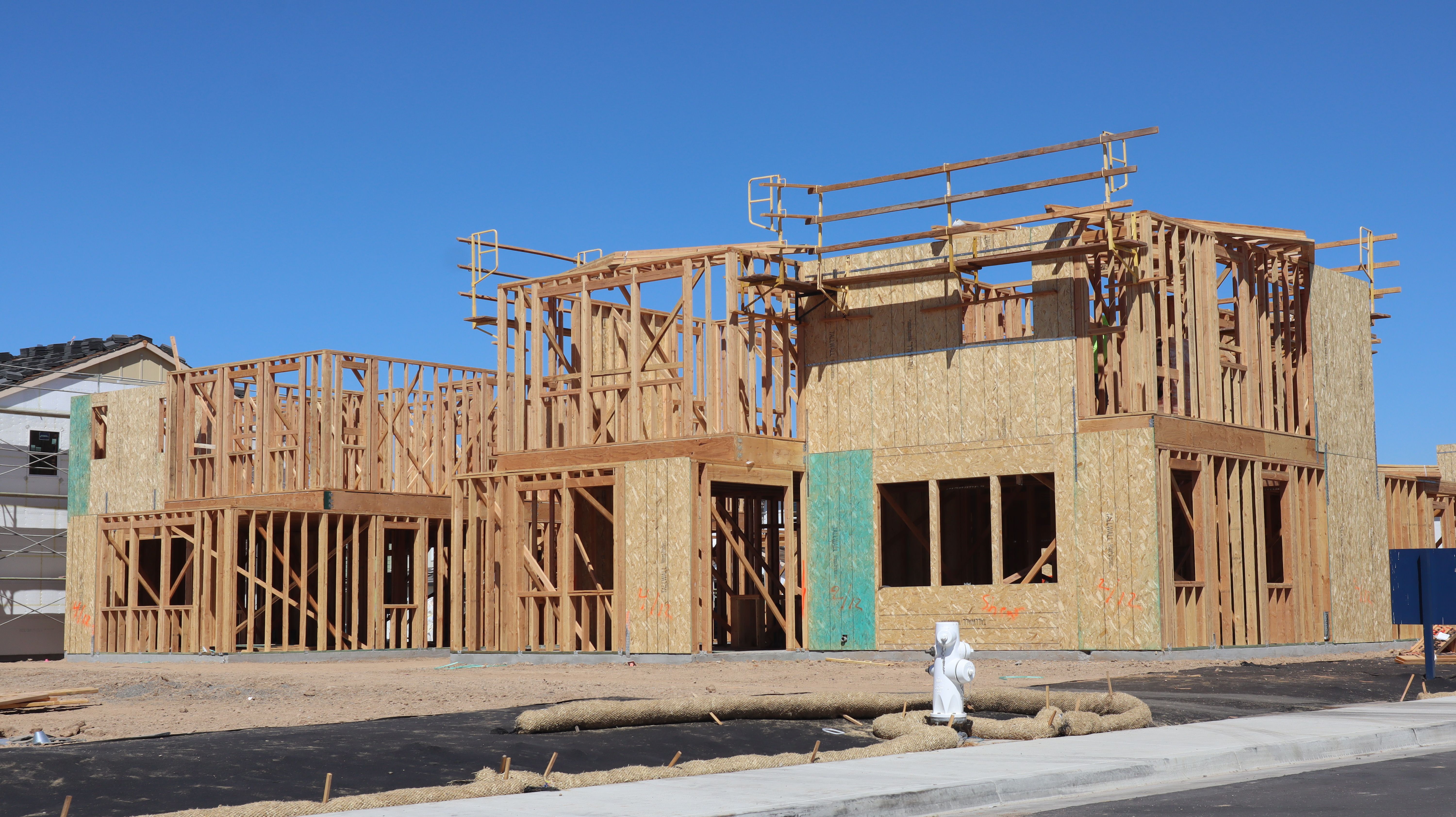
Partial discharge after subdivision: selling one lot and keeping the facility
Titles have issued and one lot is under contract. What a partial discharge is, how the release amount is calculated, who has to sign what, and why the sequencing beats the negotiation.
Insight
Borrower
partial-discharge-after-subdivision
August 20, 2026
How to prepare a development feasibility for lender scrutiny
Most feasibilities are built to convince the developer, not to survive a credit assessor. The structure, the assumption register, the line items tested first, and the self-inflicted errors.
Insight
Borrower
development-feasibility-lender-scrutiny
August 21, 2026

Build-over-easement consent: the timing risk developers miss
An easement rarely stops a project. It moves the start date — and on a debt-funded site that is a financial event first. Who consents, why it surfaces late, and how to sequence it in parallel.
Insight
Borrower
build-over-easement-consent-timing-risk
August 22, 2026

Regional development valuation: why comparable evidence needs more work
Regional sites are not valued to a different standard — they are valued with less evidence. What a valuer is short of, what you can supply, and why the contingency belongs in timing.
Insight
Borrower
regional-development-valuation-comparable-evidence
August 23, 2026

What a QS report actually tells a construction lender
Works in place, cost to complete, variations and contingency — the four numbers a credit team reads first, why the QS and your building contract disagree, and what that gap triggers.
Insight
Borrower
qs-report-construction-lender
August 24, 2026

Priority deeds explained: sitting behind a bank on a second mortgage
The document that decides how much a first mortgagee can claim ahead of everyone else — priority amounts, bank consent, default sequence, and why it drives the settlement timetable.
Insight
Borrower
priority-deeds-second-mortgage-explained
August 25, 2026

Seven documents that change a development finance credit decision
Most development applications are declined on evidence, not merit. The seven documents that genuinely move a credit assessment — and what each one stops an assessor assuming.
Insight
Borrower
seven-documents-development-finance-credit-decision
August 26, 2026

Can an existing development valuation be reassigned to a new lender?
A valuation is addressed to one lender. What reliance actually means, why valuers decline to extend it, when a report is too stale, and how reassignment compares with a fresh instruction.
Insight
Borrower
valuation-reassignment-new-lender
August 27, 2026

A broker's guide to placing complex deals with a non-bank partner
How finance brokers win and keep clients on complex or larger property deals — using a non-bank partner for structuring flexibility, transparency and certainty.
Insight
Partner
brokers-guide-non-bank-partner-complex-deals
June 27, 2026
First Home Super Saver Scheme: your path to $50k+ in savings
How the First Home Super Saver Scheme uses super's tax advantages to help Australians save A$50k+ toward a first home — eligibility, limits and steps.
Insight
first-home-super-saver-scheme
June 2, 2026
Construction finance: a developer's guide to non-bank approval timelines
A developer's guide to non-bank construction finance approvals — what drives the timeline and how to get funded fast.
Insight
Borrower
construction-finance-non-bank-approval-timelines
June 19, 2026

How RBA rate cycles create opportunistic private credit returns
How the RBA's rate cycle reshapes property returns — and why private credit is well placed to find opportunity through every phase.
Market Update
rba-rate-cycles-private-credit-returns
July 1, 2026

How property debt funds generate consistent returns for wholesale investors
How property debt funds turn secured lending into consistent income for wholesale investors, and what to look for in a manager.
Insight
Investor
property-debt-funds-consistent-returns
June 24, 2026
First mortgage vs second mortgage: understanding your security position
First vs second mortgage finance explained — how your security position in the capital stack shapes both your risk and your return.
Insight
Investor
first-mortgage-vs-second-mortgage-security-position
June 14, 2026
Preferred equity finance explained: returns, risks and position in the capital stack
How preferred equity works — its priority returns, governance protections, and exactly where it sits between senior debt and common equity.
Insight
Investor
preferred-equity-finance-explained
June 22, 2026

Passive income property investment: building wealth through private credit
How private credit lets investors earn property income as the lender, not the landlord — the building blocks, the returns, and managing the risk.
Insight
Investor
passive-income-property-private-credit
June 10, 2026

Navigating APRA's tightened standards: why non-bank development finance still wins
Why non-bank development finance stays fast, flexible and attractive for developers as APRA's tighter standards make the major banks more cautious.
Market Update
non-bank-development-finance-apra-standards
June 30, 2026
How to use mezzanine finance to reduce equity on your next project
How developers use mezzanine finance to lift combined leverage and reduce the equity needed on a project — with the risks to weigh.
Insight
Borrower
mezzanine-finance-reduce-equity-requirements
June 8, 2026
Senior debt finance explained: structuring the right facility for your development
A developer's guide to senior debt finance — what it is, why it's the cornerstone of a capital structure, and how to structure the right facility for your project.
Insight
Borrower
senior-debt-finance-structuring-your-facility
June 15, 2026
Secured private credit: capital protection in Australian property
How secured private credit protects investor capital through asset-backed lending, conservative LVRs and priority of repayment across the capital stack.
Insight
Investor
secured-private-credit-capital-protection
June 26, 2026

Why debt outperforms equity in volatile markets
Why a debt-focused strategy tends to preserve capital and pay income through volatile markets, and how to build one with senior and mezzanine finance.
Insight
Investor
why-debt-outperforms-equity-volatile-markets
June 18, 2026
Real estate debt vs equity: a risk-return analysis for Australian investors
A clear risk-return analysis of real estate debt versus equity for Australian wholesale investors — security and income on one side, growth and volatility on the other.
Insight
Investor
real-estate-debt-vs-equity-risk-return-analysis
June 12, 2026

Property income fund vs direct property: which strategy wins?
How pooled property income funds stack up against buying direct — diversification, control, risk and financing, and how to decide which fits your portfolio.
Insight
Investor
property-income-fund-vs-direct-property
June 5, 2026

Due diligence checklist every investor should use
A practical framework for assessing property-backed deals before committing capital — security, valuation, LVR, sponsor and exit, assessed the way lenders do.
Insight
Investor
due-diligence-checklist-every-investor-should-use
June 20, 2026
What actually moves construction finance pricing
The real drivers behind what a construction facility costs — funding costs, risk appetite, presale coverage, builder risk and how well the deal is presented.
Market Update
what-moves-construction-finance-pricing
June 28, 2026















 When timing decides the deal.Bridging, second mortgages and mezzanine at any stage — including bridging before the valuation exists.Explore bridging →